How the Food Industry Uses Paper Chromatography for Quality Control
See how paper chromatography supports food QC by detecting adulterants, dyes, and sugars, ensuring safety and compliance.

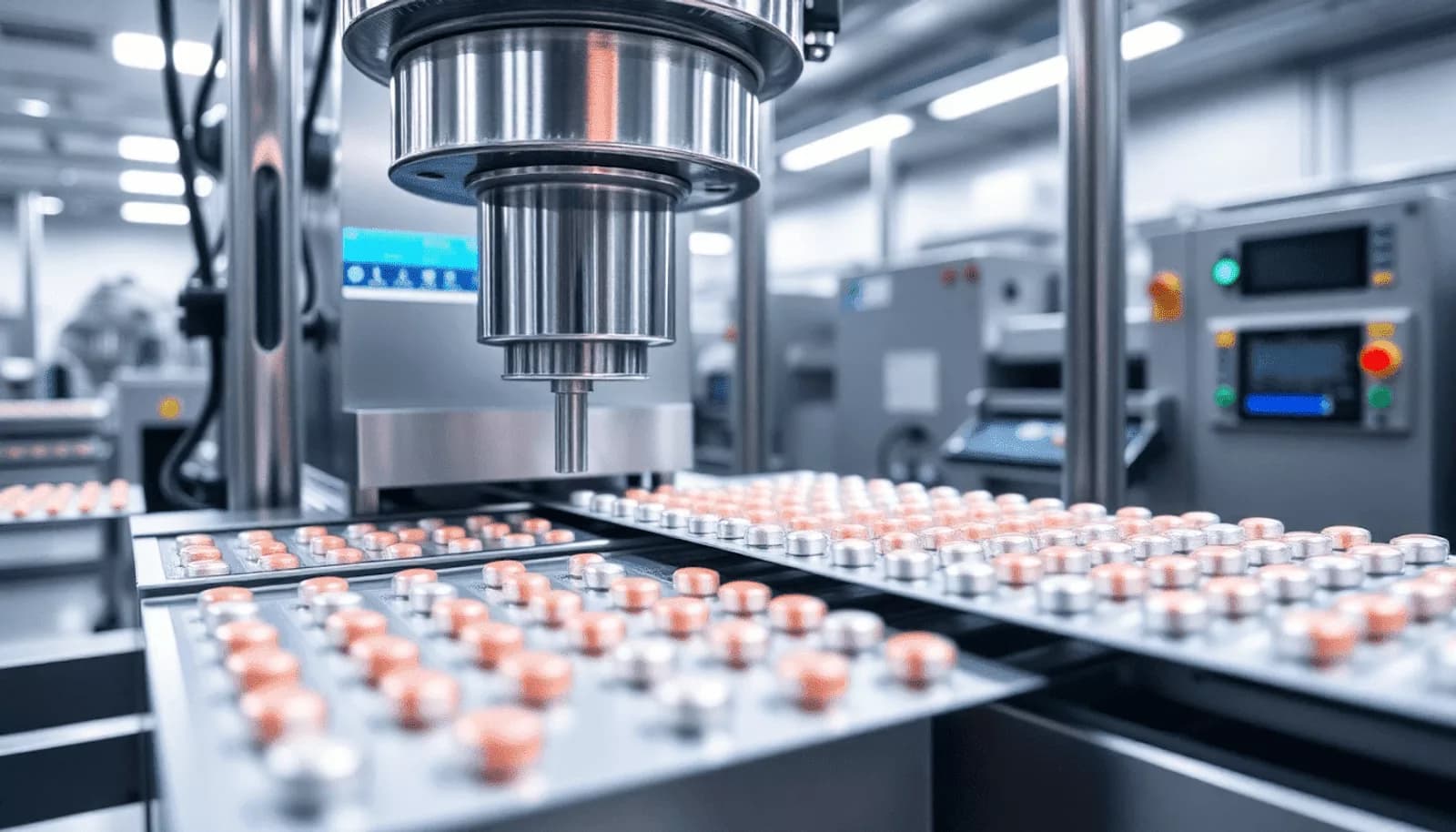
In the 1960s, food safety scandals often made headlines—dyes in candies, adulterants in oils, or undeclared additives in packaged goods. Regulators and manufacturers needed quick, inexpensive tools to screen products. Paper chromatography became a go-to method, separating colored dyes, amino acids, and organic acids into distinct fingerprints. These simple strips became silent guardians of consumer trust.
Today, while advanced chromatography dominates food analysis, paper chromatography still plays an educational and screening role, showing how even the simplest tools can uphold food safety standards.
Why Quality Control Matters in the Food Industry
Food quality control (QC) is essential for:
- Consumer safety – detecting contaminants and adulterants.
- Regulatory compliance – meeting FDA, FSSAI, and EU standards.
- Brand integrity – ensuring products match labels.
Chromatography in food QC identifies composition, additives, and impurities. While paper chromatography isn’t a GMP-standard method, its principles shaped modern food QC workflows.
Applications of Paper Chromatography in Food QC
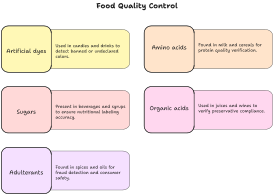
1. Detecting Artificial Food Dyes
- Used to separate azo dyes in candies, beverages, and sauces.
- Different dyes migrate into unique bands, enabling identification.
2. Identifying Amino Acids and Sugars
- Amino acid profiling in protein-rich foods (milk, soy, cereals).
- Sugars separated for nutritional verification in beverages and syrups.
3. Testing for Adulterants
- Detects cheap dyes in turmeric or chili powder.
- Screens adulteration in oils and spices using color reagents.
4. Organic Acids and Preservatives
- Paper chromatography used to separate citric, tartaric, and malic acids in juices and wines.
- Helps monitor compliance with permitted preservative levels.
Key Food QC Applications Summary
How It Works in Practice
Food QC labs using paper chromatography follow steps similar to pharma applications:
- Sample Prep: Extract dyes, sugars, or acids into solvent.
- Spotting: Apply sample precisely with capillary tube.
- Solvent System: Select solvent (e.g., Butanol:Acetic Acid:Water for amino acids).
- Development: Let solvent rise to separate compounds.
- Visualization: Use UV or chemical reagents (ninhydrin for amino acids, iodine for sugars).
- Comparison: Match spots with authentic standards.
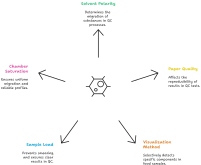
Factors Affecting Food QC Results
Comparison with Modern Food Analysis Techniques
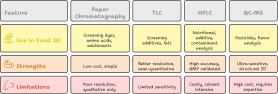
While not validated for regulatory QC, paper chromatography introduced techniques that modern labs now rely on.
Limitations in Food QC
Paper chromatography has limits for industrial food QC:
- Qualitative, not quantitative.
- Lower reproducibility compared to TLC/HPLC.
- Environmental sensitivity (temperature/humidity impact).
- Not GMP/ISO-validated for official testing.
However, it remains valuable for:
- Educational labs (food science training).
- Quick screenings in low-resource settings.
- Demonstrations in regulatory workshops.
Future Outlook in Food QC
1. Low-Cost Screening Kits
Portable paper chromatography kits help detect adulterants in rural markets.
2. µPADs (Microfluidic Paper Devices)
- Integrate chromatography with colorimetric detection.
- Useful for detecting pesticides, contaminants, or additives on-site.
3. Green Chemistry in Food QC
Solvents like ethanol-water mixtures reduce reliance on toxic solvents.
Conclusion
From spotting unsafe dyes in candies to revealing sugar profiles in beverages, paper chromatography has long been a trusted food safety ally. While today’s QC labs rely on HPLC, GC-MS, and spectroscopic techniques, the humble paper strip still carries lessons of simplicity and vigilance. For food and pharma professionals alike, it’s a reminder that safeguarding public health begins with knowing how to separate the safe from the unsafe—sometimes with nothing more than a sheet of paper.
FAQs
Q1. How is paper chromatography used in the food industry?
It separates dyes, sugars, amino acids, and preservatives for qualitative food QC screening.
Q2. Can it detect food adulteration?
Yes, it identifies banned dyes in spices, oils, and beverages, supporting food fraud detection.
Q3. Why is it not a standard QC method today?
Because it lacks GMP/ISO validation, reproducibility, and quantification precision.
Q4. What replaced paper chromatography in food QC?
TLC, HPLC, and GC-MS are modern validated methods for food safety testing.
Q5. Are there modern paper-based innovations in food QC?
Yes, µPADs (microfluidic paper devices) enable portable, low-cost food safety testing.
🚀 Passionate Marketer & Visionary Business Strategist | Driving Value in Every Venture
More from the Knowledge Hub
All articles →
Pharmaceutical Regulatory Affairs: Challenges, Innovations, and Global Harmonization

Cold Chain Logistics In Pharma: Building Resilient Systems For 2025 And Beyond

Discussion